Homily, Encountering Christ in the Breath Prayer
The Fifth Sunday in Lent, Year A
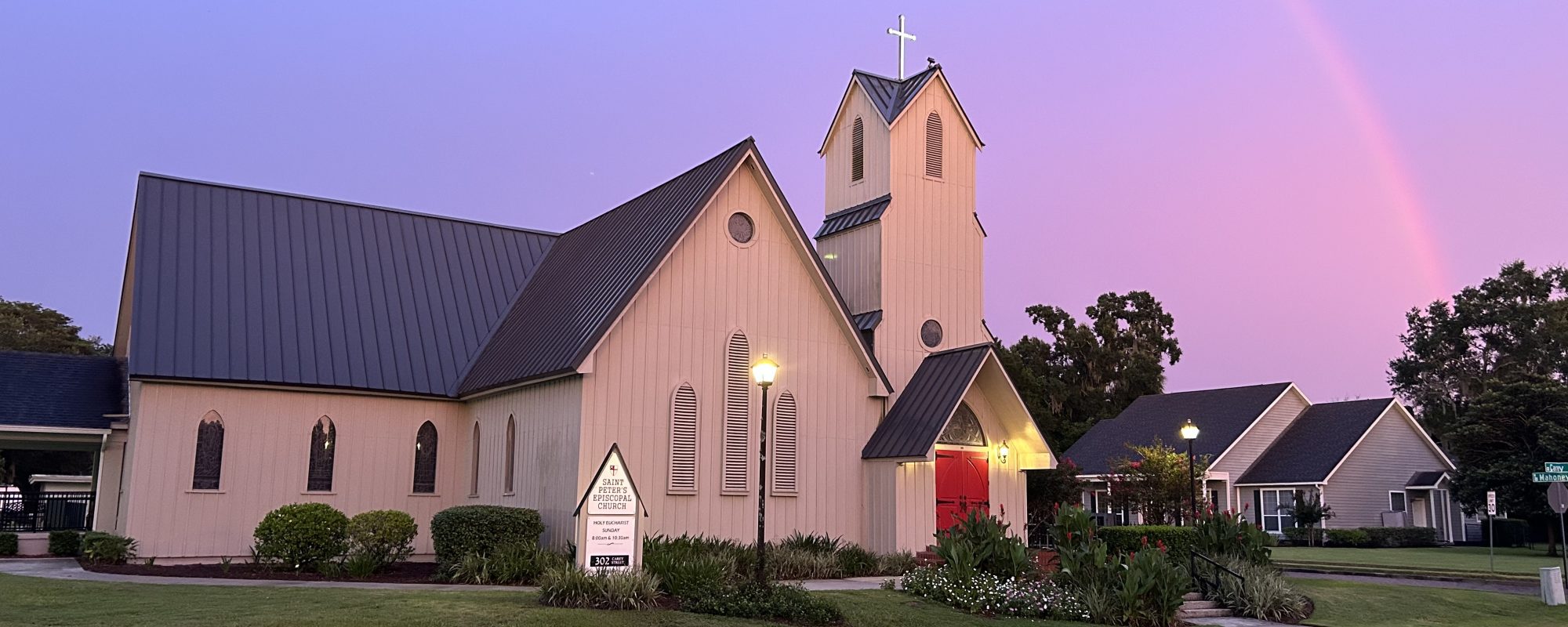
St. Peter’s Episcopal Church
Plant City, FL
The Rev. Derek M Larson, TSSF
In the name of God: Father, Son, and Holy Spirit. Amen.
This week my son, Barret, and I went on a sort of pilgrimage. We were at his grandparents house in Georgia and went looking in the back woods for the remains of an outdoor chapel we had created when we lived there during the pandemic. Six years ago when the world shut down and we could not go to church, we created this little space amidst the trees complete with a cross and a fire pit and candle holders and a bell, all marked out on the ground by stones and bricks. And each week we processed down the hill and into the woods by the tiny creek to sing songs and say prayers and read Scripture.
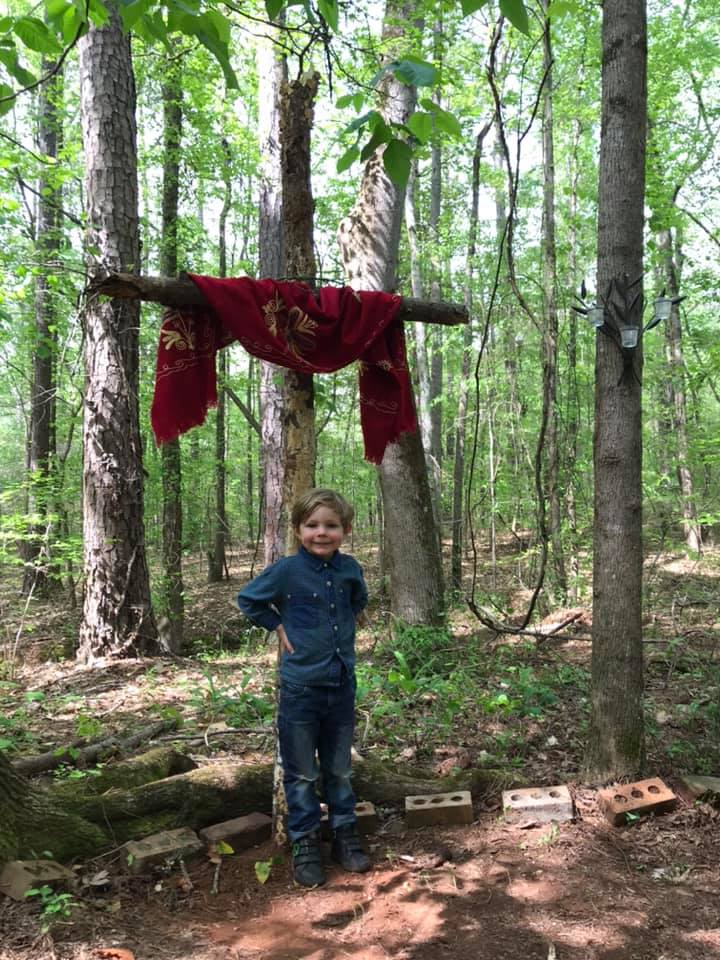
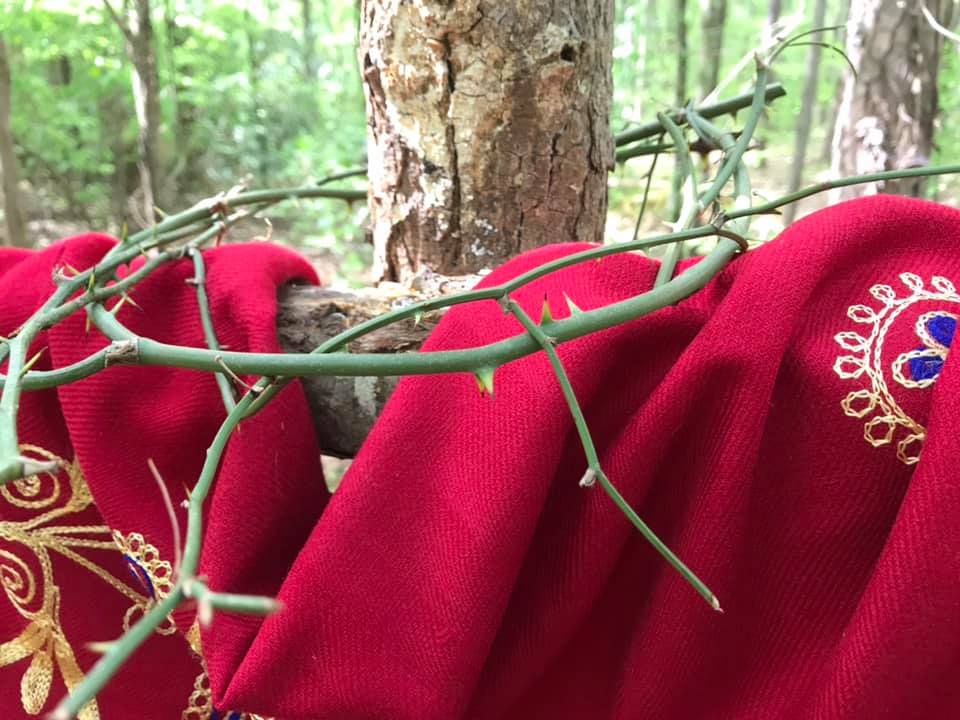
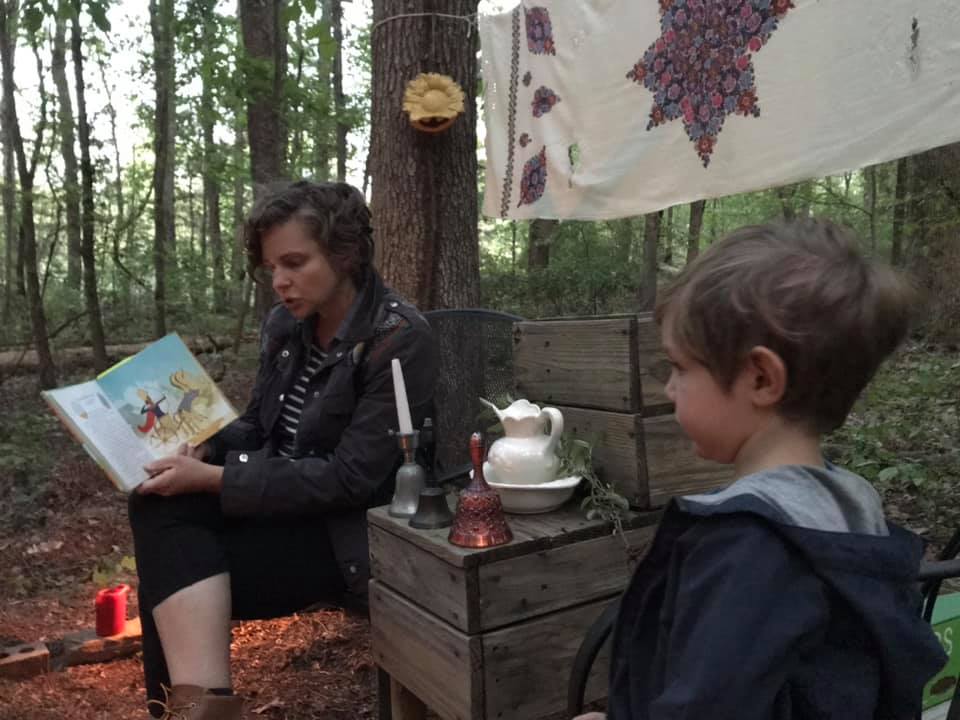
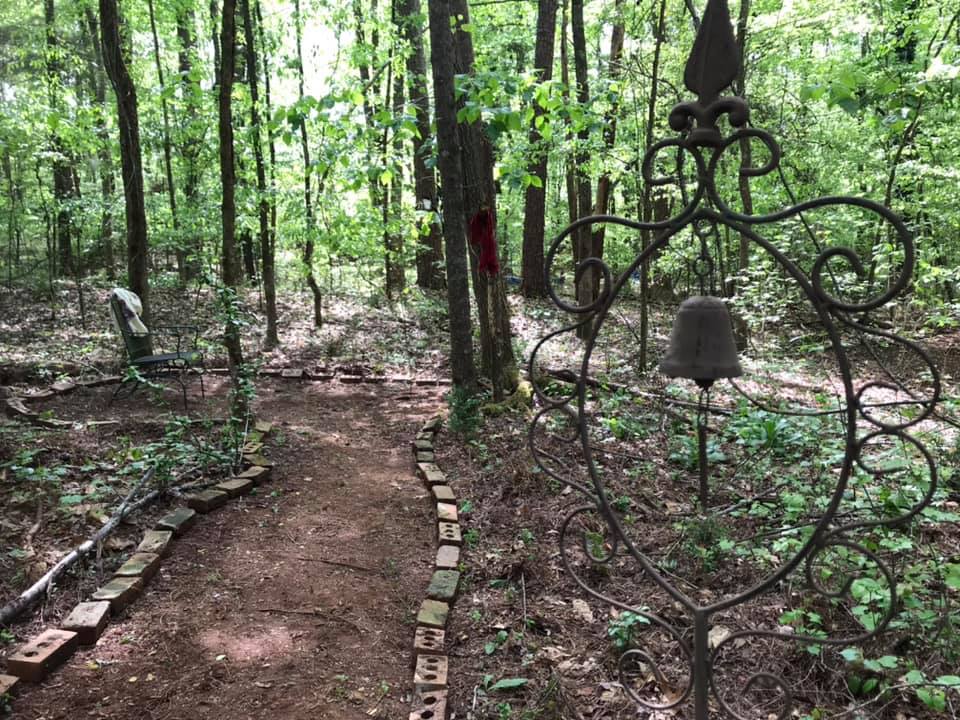
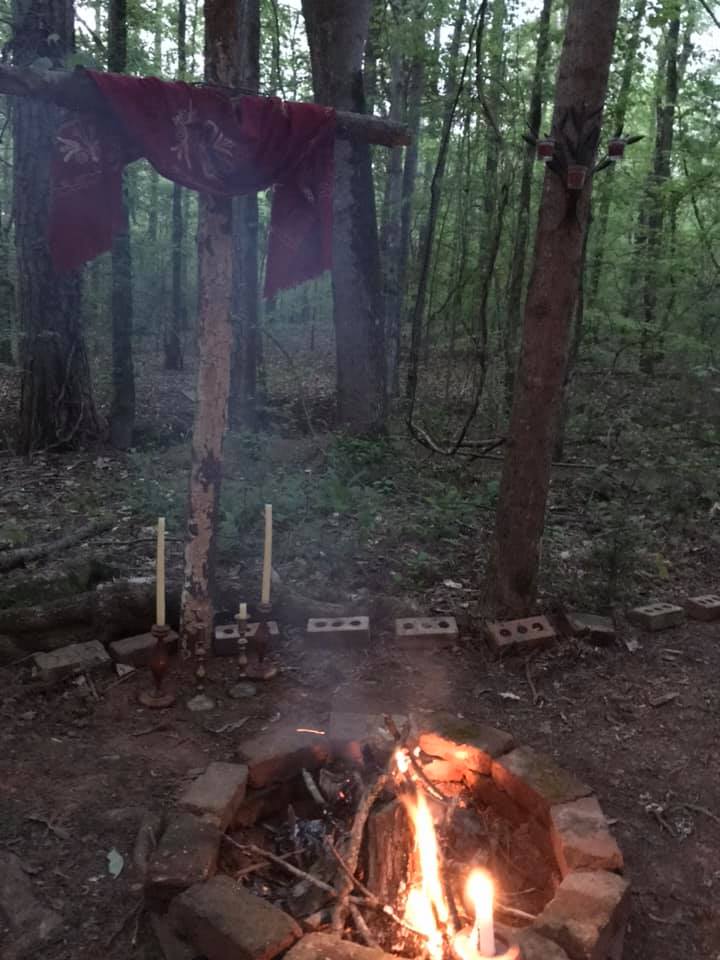
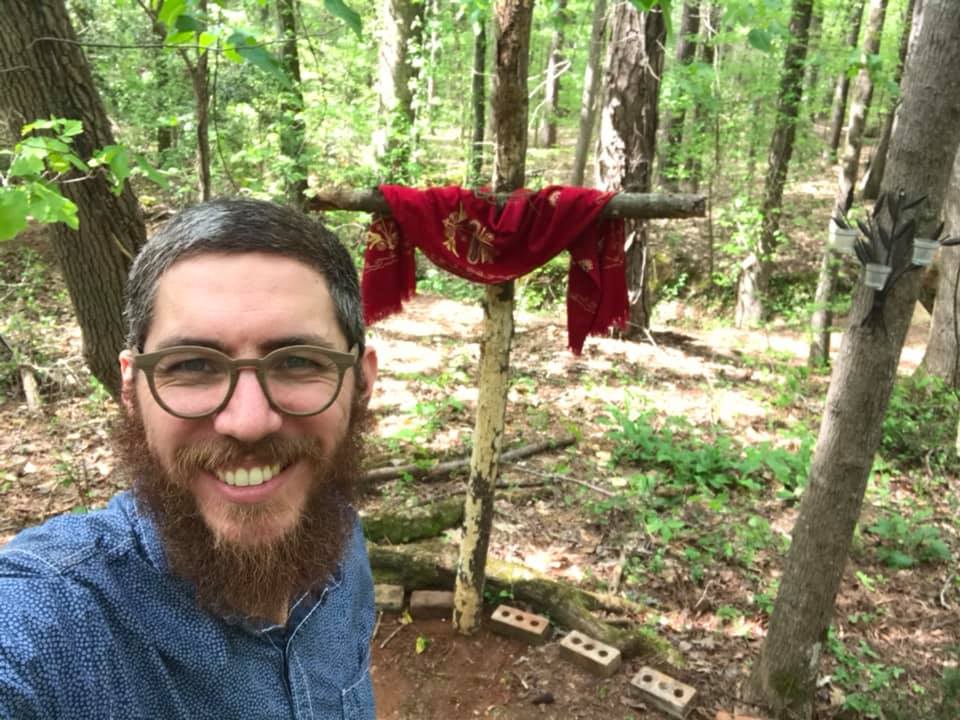
However difficult the pandemic made life back then, we had created a holy space amidst those trees and a staple part of our homemade liturgy was to pause in silence and listen to God speaking to us in the wind through the trees. We’d look up and just listen. And breathe. And then we asked one another what we heard God say.
Well, it’s been six years and that little chapel has been weathered by seasons of leaves, rain, and snow. There’s isn’t much left. But this week we went down to see what we could find. The cross was gone. So was the bell. Some of the stones and bricks were still there. But the wind was still in the trees. And so we paused and listened. And breathed.
There’s something holy about the wind. There’s something mysterious about the way it blows invisible in the trees. I’m sure you have had experiences like ours somewhere where the wind stirred something up in your heart and you felt the presence of God.
We call that the Holy Spirit. And the first line of Scripture describes an image like that.
“When God began to create the heavens and the earth…a wind from God swept over the face of the waters.” That’s Genesis 1:1 in the Updated Edition of the NRSV. You might know it better in the King James Version, “In the beginning God created the heavens and the earth… And the Spirit of God moved upon the face of the waters.”
A wind from God swept over the face of the waters.
The Spirit of god moved upon the face of the waters.
It’s the same word. Wind and Spirit. In the Hebrew it’s ruach. In the Greek its pneuma. In both cases it means wind or breath. And even in the English, it is etymologically connected to breathing. Spirit. Respiration.
A perfectly acceptable translation, then, of what we commonly call the Holy Spirit could be the Holy Wind or the Holy Breath. That’s what the word Spirit literally means.
And it is central to our understanding of God’s presence throughout Scripture.
The first story of humanity involves God breathing into Adam’s nostrils the breath of life. After the resurrection of Jesus he appeared to his disciples and breathed on them. At Pentecost the Holy Spirit came down upon the disciples like a great rush of wind.
In the passages we hear today, bones come back to life in the dry valley of Ezekiel only when breath from the four winds enters them. In Romans St. Paul speaks about the promise of the resurrection for all those who belong to Christ because of the Spirit—the breath—that dwells within them. And in the gospel of John, we hear the story of Lazarus where there is no direct mention of Spirit or breath, but the story is told with such beauty that you can almost hear Lazarus’ dusty lungs inhale after four days in the grave.
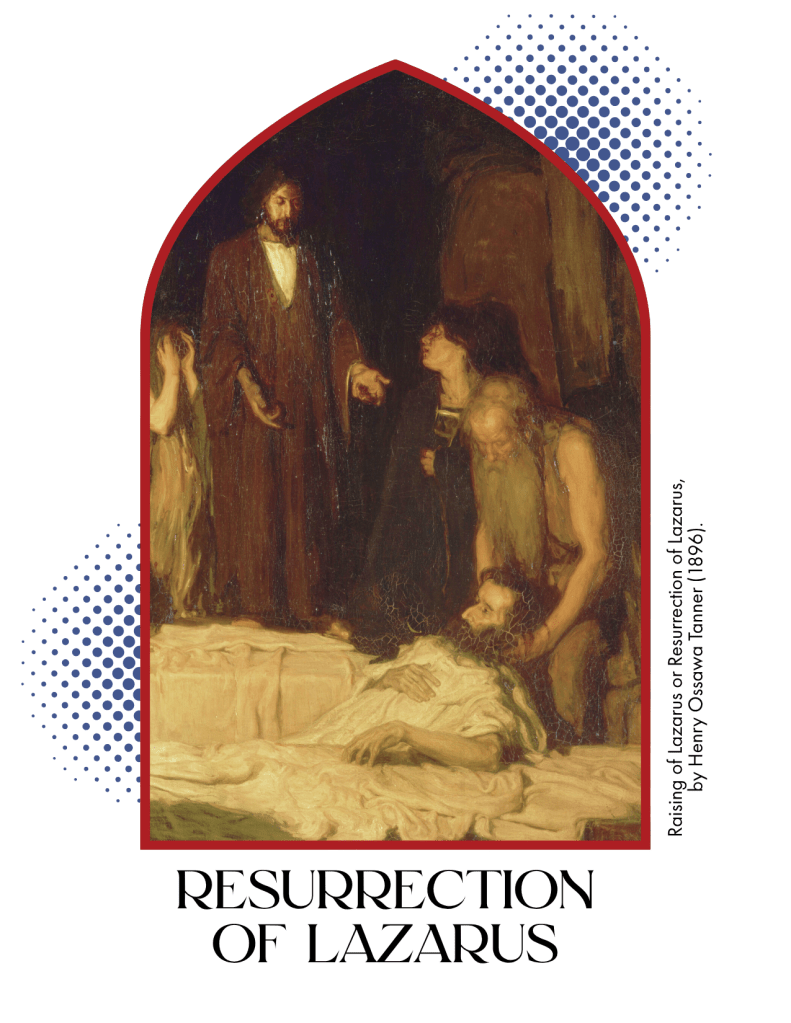
In Scripture breathing is the very presence of God filling us with new life.
It’s only natural than that from the earliest days of the Church breathing has also played an important role in prayer.
In this season of Lent each week we have been exploring a different prayer practice. We have learned about the Daily Examen, Praying with a Crucifix, The Beloved Prayer, Visio Divina, and today our final practice is the Breath Prayer, which you can find on the prayer card in your service program.
The Breath Prayer is a simple practice in which a short, single sentence of prayer or Scripture is prayed slowly at the speed of each breath’s rhythm of inhale and exhale.
The most common is probably the Jesus Prayer from the Orthodox tradition. You silently breathe in the first half of the prayer, “Lord, Jesus Christ, Son of God…” and exhale the second half, “have mercy on me, a sinner.”
Lord, Jesus Christ Son of God…have mercy on me a sinner.
Another prayer might be the traditional, “Come… (inhale) Holy Spirt (exhale).”
Or perhaps the Biblical, “Here I am Lord (inhale)… send me (exhale).”
What is so powerful about praying in this way is that it takes the intentions of our minds and hearts and drops it down into the body, into the center of our life force, the center of our created being. By pairing our prayers with the breath, we in some way incarnate that which we pray. We make it real. We deepen it. We connect it to our lived somatic reality. And experience God’s presence not just spiritually or emotionally or intellectually but in our bodies.
Of course breathing exercises have become very popular in that last few decades and most good therapists will offer some variation of one to help manage stress or anxiety or to pause for reflection before reacting in anger, but whereas in a therapeutic context breathing exercises focus on personal healing and the alleviation of discomfort, the Breath Prayer is something different. While we may experience comfort and healing with the prayer, the purpose is not primarily for our own individual benefit, but for the worship of God and the shaping of our lives into that which God intends. The Breath Prayer is about practicing and internalizing communion with God. The Breath Prayer trains our whole self: body, mind, and spirit, to—as St. Paul puts it in 1 Thessalonians—pray without ceasing.
And yet, when we become aware and attentive to the breath within our lungs as the Spirit of God who dwells within, then as we watch our lives become a vessel for God’s grace in the world, we also begin to experience resurrection and new life as our passage from Romans describes and as Lazarus from the grave lived. We begin to hear Christ speaking to us, “Beloved, Come Out.” And we listen, awaking anew and shedding all that binds us.
The Spirit of God dwells within you. The Breath of God dwells within you. The Wind of God dwells within you.
That outdoor chapel at grandma and granddad’s place will always be sacred, but what makes it sacred is not the stones or the bell or the candles but the wind of God that visits us in each breath. The Holy Spirit.
So I invite you to try out the Breath Prayer this week so that you might breathe deep, breathe in the breath of God. Amen.
Questions for Reflection
- How do I perceive the connection between my breath and my spiritual life? What does it mean for me to consider breath as the presence of the Holy Spirit?
- Can I recall a specific moment when I felt God’s presence, similar to the experiences described in the homily? How did that moment affect my faith journey?
- How can incorporating the Breath Prayer into my daily routine transform my relationship with God and my awareness of His presence?
- What binds me in my spiritual life, and how can I invite the Holy Spirit to help me shed those things and experience new life?
 Thoughts on Faith