Homily, John’s Call to Transformation
The Third Sunday of Advent, Year C, 2024
St. Peter’s Episcopal Church
Plant City, FL
The Rev. Derek M Larson, TSSF
Today’s Lectionary Readings:
In the name of God: Father, Son, and Holy Spirit. Amen.
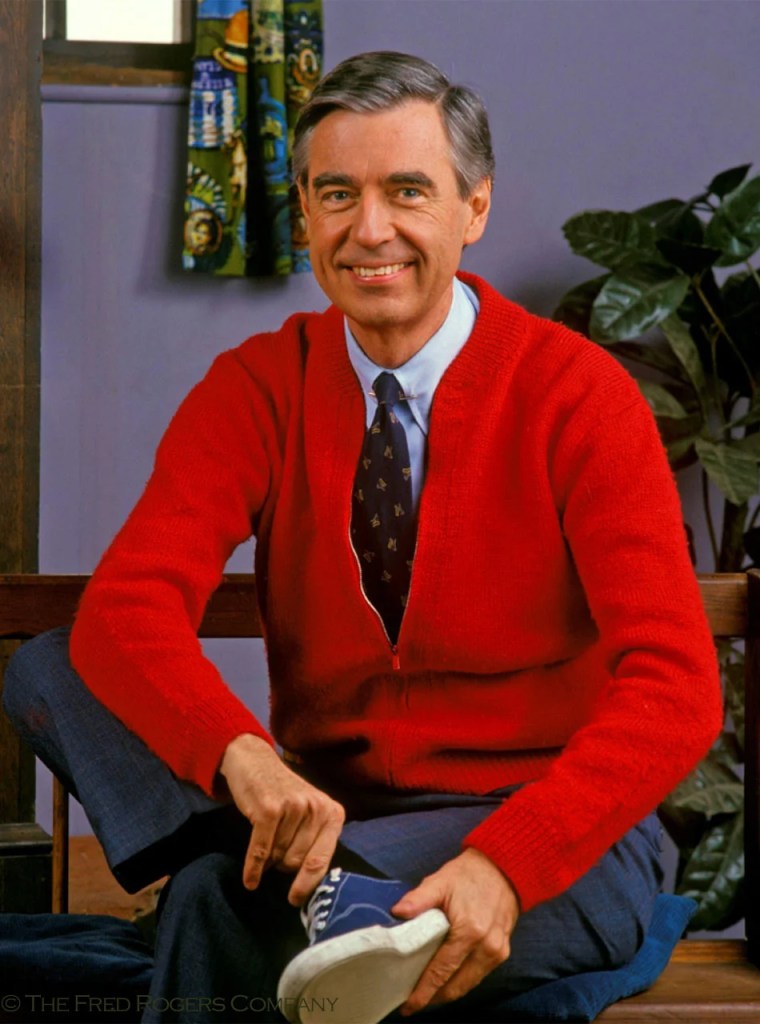
When you leave this place on Sundays, I want you to feel affirmed and comforted. I want you to feel strengthened and given hope. I want you to know just how loved you are by God, and I want to help you see just how present God is in your daily lives. Those are the things that guide my preaching. And when I listen to other preachers, those are the things that I am looking for. I may enjoy a preacher with real academic depth or appreciate a preacher who speaks creatively or poetically, but the heart of preaching, for me, is all about conveying the depth of God’s love for the people in the pews and the congregation. Mr. Rogers, then, who was a Presbyterian minister, is one of my favorite role models for preaching, with his incredible ability to acknowledge a person’s value and importance, even through a television screen.
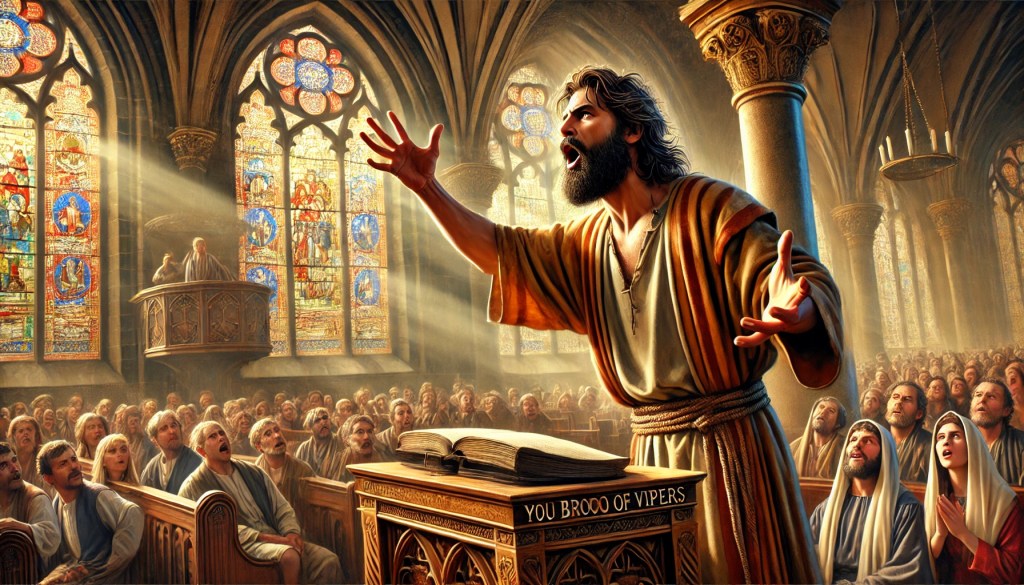
But if Mr. Rogers is a role model to me in preaching, I have to admit, John the Baptist is not. “You brood of vipers! Who warned you to flee from the coming wrath??” You better watch out or God is going to cut you down!” Alright Mr. Scrooge. Thank you for that message in this lovely Advent season.
It’s a hard one isn’t it? And this is the way he speaks not to the passers-by but to his congregation. To the ones that have already come out to see him and are convinced by his message! Can you imagine if I spoke to you that way? I suspect I wouldn’t be here very long.
And yet John’s preaching does include one of the most important ingredients in preaching, one that we often forget. And I think that that’s why his message through the centuries has been so compelling. In John’s preaching there is a clear call to transformation.
John reminds us that we can show up all we want, but if we are not changed, if we do not allow the message of the gospel to permeate and transform our way of living in this world, than we are not fully prepared to receive Christ. It is not enough to show up, we have to bear fruit. We have to be changed.
Now a word about change. Many of us grew up with a kind of fire and brimstone preaching, similar to John’s, that implied that we are called to change so that God will love us. That we are called to change so that we will be worthy of God’s love. But the truth is that change doesn’t come before love. Love comes before change. In other words, God loves us into change. We might use another word. God loves us into growth. God loves us into healing. God loves us into our authentic selves that we have become so good at avoiding. Change is not about becoming worthy of God’s love. Change is about learning to receive God’s love. But change is important. A gospel message that does not change us, that does not form and shape us deeper into the knowledge and love of God is not the gospel.
Bear fruit, John says. Don’t just stand there, bear fruit. Allow the love of God to flow through you so that your branches grow blossoms that become sustenance for the world that God is dreaming up. Become what God created you to be. An embodiment of deep love. Be transformed.
Come to think of it, the season of Christmas is a season of transformation, a season in which we recognize that God transformed Godself into one of us. That God was born as a human baby for us. That God changed. We say that God never changes, and in one sense that is true, God never changes in God’s love, but if God never changes than what do we mean in the creed when we say, “he became incarnate from the Virgin Mary”? What do we mean by the doctrines of the immaculate conception and the holy nativity? In Christmas, we recognize that the God that never changes, in some mysterious way, changed—in love—for us. And the call of John in this season of Advent is that we also be willing in some way to change—in love—for God.
For John’s congregation that meant changing the way they hold their possessions. For the tax collectors that meant changing the way they do business. For the soldier that meant changing the way they hold their privilege and power. What does it mean for you? And what does it mean for me?
Don’t let the opportunity to be transformed this holiday season pass you by. While he may not be Mr. Rogers, John’s a good preacher. Listen to him. Allow yourself to bear fruit. Soften your heart so that you, too, might be changed—grown—healed—saved—transformed—by the love of God. Amen.
Questions for Deeper Reflection
- In what areas of my life do I feel a need for transformation or change? How can I invite God’s love into those areas?
- How do I perceive God’s love in my life? Am I more focused on trying to deserve that love, or on receiving it fully?
- What are some specific “fruits” I can bear in my daily actions and relationships that reflect God’s love and transformation?
- Reflecting on the examples from John the Baptist, what does it mean for me to change the way I hold my possessions, engage in my work, or exercise my privilege?
- How can I create space in my heart and life this Advent season to truly listen to the call for transformation, and what steps can I take to live into that change?
 Thoughts on Faith