Homily, One Shared and Sacred Life
Christmas Eve, 2025
St. Peter’s Episcopal Church
Plant City, FL
The Rev. Derek M Larson, TSSF
In the name of God: Father, Son, and Holy Spirit. Amen.
Merry Christmas!
As we celebrate the birth of the Christ child today, I’m thinking about the child my family is expecting and the wonderful mystery of pregnancy as a shared and sacred life.
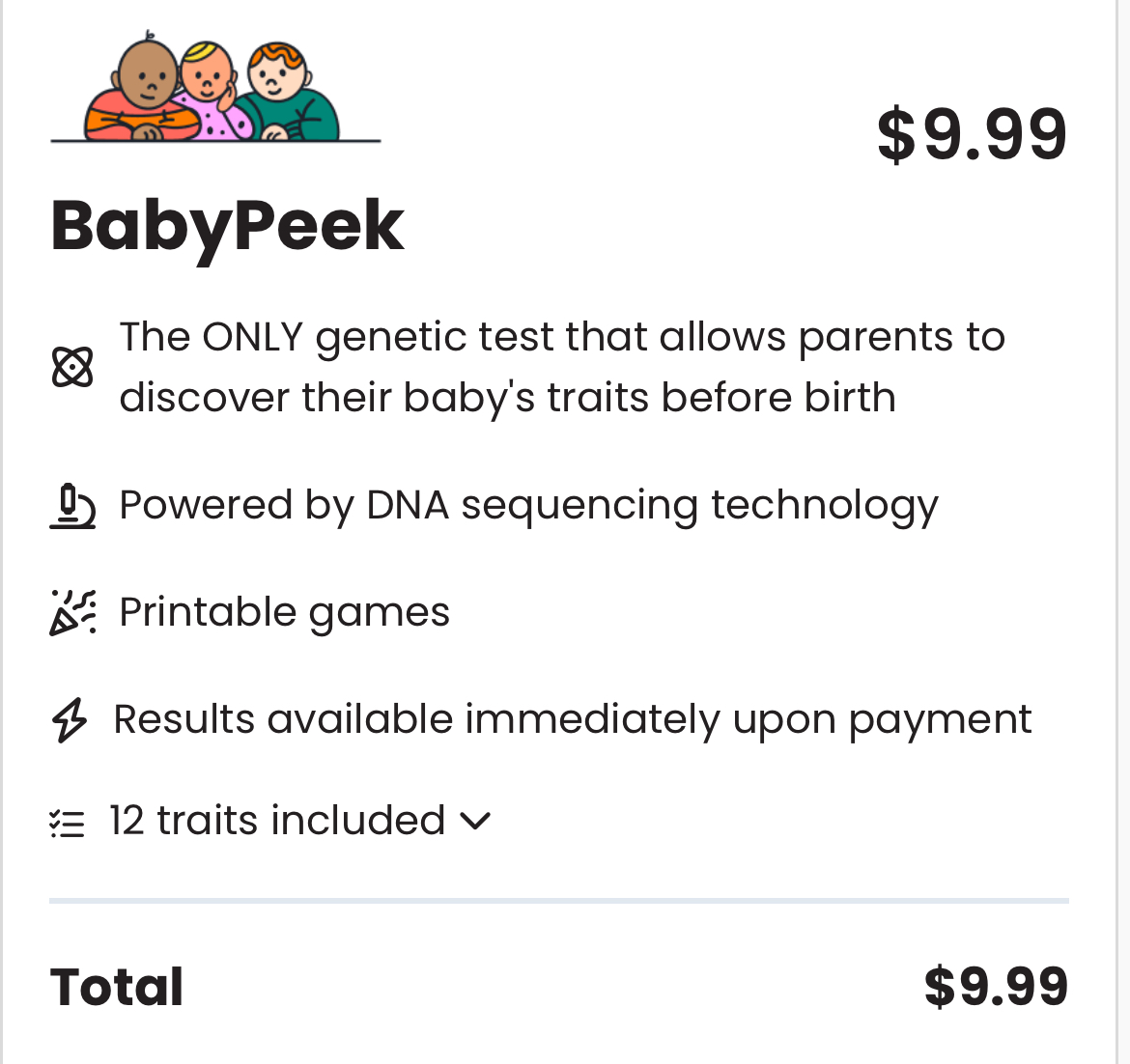
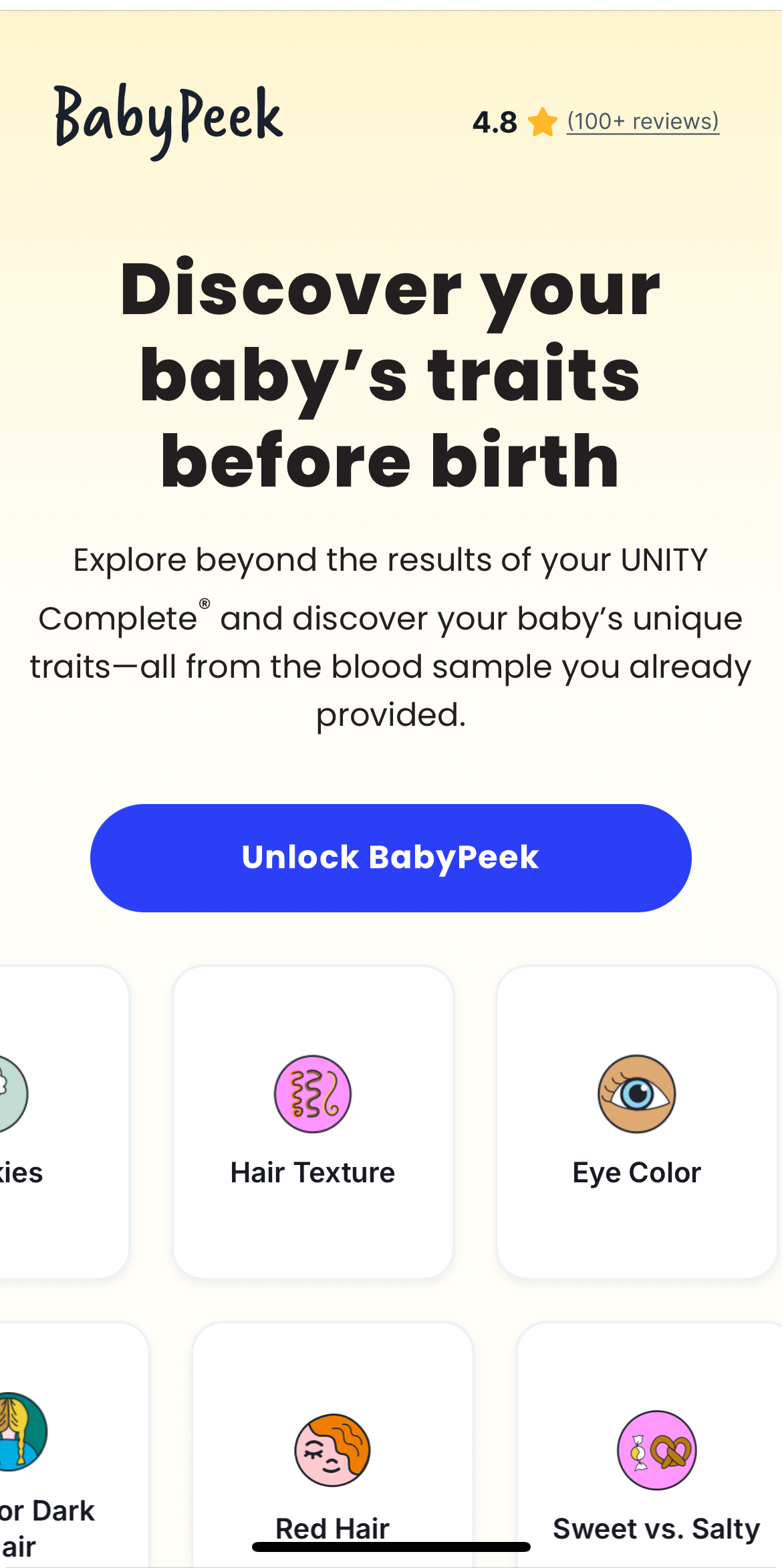
A couple months ago, when my wife, LauraAnn, was 12 weeks pregnant, she had some blood work done to screen for any unusual health conditions in the baby, which is pretty standard practice these days. But what was different this time was that they also could tell us the baby’s sex. With our first two children we had to wait until the 20 week ultrasound to find out the baby’s sex (which is amazing enough), but this time, from just a few vials of blood they could predict the baby’s gender before the baby was barely the size of a strawberry. And what’s more, when the email came in with the results of the blood test, it said that for just $9.99 it would also predict for us the probability of the baby’s hair color, eye color, presence of freckles, and whether or not they would like the taste of cilantro! All from a few vials of blood.
And what’s most incredible to me, is that it wasn’t even the baby’s blood in those vials. It was my wife’s. LauraAnn’s. Evidently, the genetic makeup of a fetal child is so interconnected with their mother, that the baby’s DNA—the mystery of their unique human life—flows in the mother’s veins, if only you know where to look. And science tells us that even after the baby is born, that DNA continues to exist in the mother so that she becomes a composite being, made up not only of her own DNA, but the DNA of her child. It’s no wonder there is such a special bond between child and mother—their biological lives are shared.
Today, on Christmas, as we hear the story of Jesus’ birth, it occurs to me, that if Mary had taken a blood test while pregnant with Christ, his DNA too, would have flowed through her veins. Like all mothers, when Mary carried a child in her womb, she was also transformed in her being. She became a composite being. Her life became shared, and in her case, not only shared with a human baby, but shared with God. The DNA of Christ, who is both God and human, flowed through her veins.
Something similar is true of all of us. Every person here tonight shares 99.9% of our DNA. And that which we share has been passed on to us from generation to generation so that we are connected through blood with the vast majority of the human race. And not only with the human race but with the cosmos. Our physical existence, is always changing. So much so that the cells and atoms and molecules that make up our bodies are continually being traded with those of the world around us. Have you ever thought about how the food you ate this week is now part of you? Have you thought about how that food came into existence? Have you thought about how your own shed skin cells and exhaled breath becomes part of the world around you moment by moment? We share our material existence with the cosmos. Our lives are not isolated threads, but strands woven together in a vast shared life.
And so when we say in our creed, “[Jesus] became incarnate from the virgin Mary”, we are saying something not just about Jesus and Mary but about Jesus and the vast expanse of the cosmos. We are saying that in Christ, God became a composite being, made up of the same stuff that we are made up of—the same flesh, the same blood, the same molecular dance that binds every human being to one another and to the earth itself. In Jesus, God mingled God’s own life with the very matter of the universe. And thus, Christ has entered not only our hearts, and not only our souls—Christ has entered our very bodies, because our bodies belong to this cosmic, shared material existence that Christ was conceived and born into.
Christmas, then, is not primarily a celebration of a memory, something that happened two thousand years ago, it is the celebration of a reality, something that still flows through the material existence of our shared life. It is a celebration that Christ is making all things holy. That God has so touched our being, that our earthy imperfections mingle with holiness.
Christmas tells us that when God entered the story of creation as a baby in a manger, we all became utterly transformed. We all became holy. We all became sacred. Not because we are somehow perfect or without sin (that’s the journey we’re on now), but because even in the midst of our brokenness, our being is permeated with the Divine presence of God.
And the invitation of Christmas is to live our lives in the knowledge and awareness of that reality. To treat all things with reverence. To see one another as holy. To look at ourselves as the sacred and beautiful beloved people of God that we are.
You may have come to this place tonight carrying heavy burdens. The burdens of broken relationships. Of busy exhaustion. Of painful addictions. Of disease and illness. Of anxiety and fear. Of anger and frustration. You may have come to this place tonight utterly convinced of your own failure and depravity. All of those things are real.
But Christ has come into this world utterly convinced of your belovedness. And has so infused himself in this world, that you, by virtue of your verey existence in this shared, material life have been utterly transformed by his love. Because something of him lives in you.
The message of Christmas is that you are beloved. You are sacred. You are beautiful. Even before you recognize it for yourself. Christ came into this world to share life with you.
The best way to celebrate Christmas, is to refuse to treat yourself, or one another, or this world as anything less than sacred. To see it all through the eyes of a God who loves it. To affirm that even in places of brokenness there is something holy. For as creatures of this world we are made not only of earth and stars, and of the cookies we eat and the DNA of our mothers and fathers; we are also made of the presence of God, and in Christmas we celebrate that because of Christ, we all join with him in one shared and sacred life.
Merry Christmas!
Questions for Reflection
- How do I recognize and honor the sacredness in my own life and the lives of those around me?
- In what ways have I experienced the transformative power of love, both from others and within myself?
- What burdens or challenges am I carrying that may prevent me from seeing my own worth and beauty as a beloved creation of God?
- How can I cultivate a mindset of reverence and gratitude for the interconnectedness of all life within me and the world?
- In what practical ways can I affirm the holiness of others, especially those who may feel broken or lost during this season?
 Thoughts on Faith