Homily, Pruning and Repentance
Advent 2, Year A, 2025
St. Peter’s Episcopal Church
Plant City, FL
The Rev. Derek M Larson, TSSF
Today’s Lectionary Readings:
In the name of God: Father, Son, and Holy Spirit. Amen.
Step One: Check the Plant Condition
When pruning, you start by looking for unhealthy leaves or leaf sections. Areas that are brown, wilted, or obstructing new growth.
Step Two: Save Any Seed Pods
Even when a plant looks done for, its seed pods can hold surprising life.
Step Three: Carefully Cut Away What’s Dead or Dying
Once you’ve seen what’s unhealthy and saved what’s worth keeping, you begin pruning— scissors or shears do the trick. Cut carefully and intentionally.
Step Four (If Necessary): Cut the Whole Plant Back
If most or the entire plant is brown and wilted, it is best to cut the whole plant down three inches above the soil. The plant is resilient and can take aggressive pruning; it will grow back stronger and healthier.
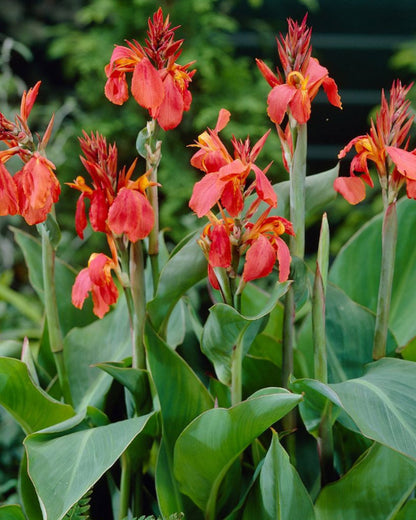
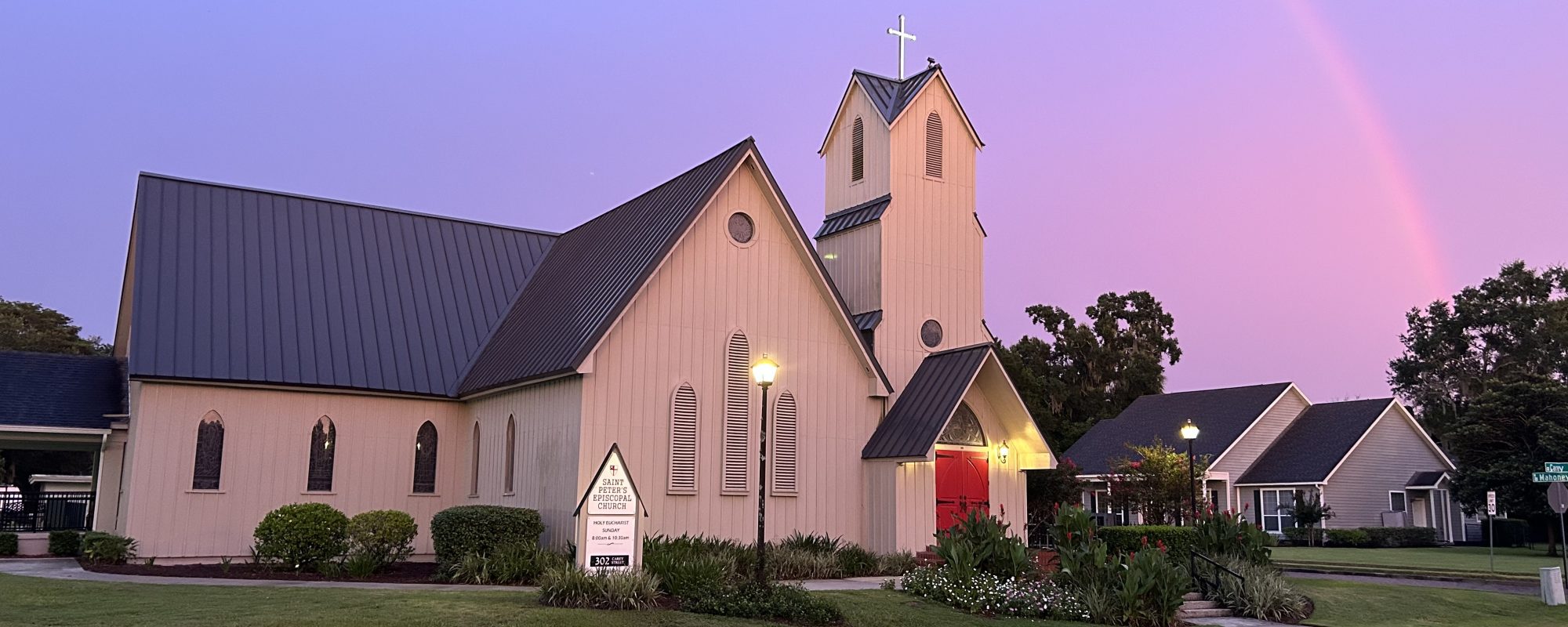
These were the instructions I found online when I was researching what to do about the Canna Lilies that grace the front of our church. Have you noticed them before? They’re the tall plants out front with vibrant red flowers spiraling upward when they are in bloom. They really can be some of the most beautiful or some of the most ugly plants you will ever see, depending on the season and how well they’ve been cared for. Back at Pentecost, gorgeous. Today in Advent, mostly brown and wilted. Thus, my research into pruning.
This week I found myself thinking about those Canna Lilly pruning instructions as I read today’s gospel.

“Repent, for the kingdom of heaven has come near,” John the Baptist says.
That word “repent” can carry a lot of baggage for us today. In English it carries connotations of legal language. It carries with it images of law and order, transgression and punishment. And while legal images do often show up in Scripture, they are not the images that John the Baptist uses in today’s Gospel. No, John uses horticultural images—fruit, trees, wheat. He could have even said Canna Lillies. John is not standing in a courtyard but in the wilderness. The language is not judicial but agrarian.
And because it’s not judicial, the meaning and purpose of the word repent takes on a different meaning here. It is less about conformity to the law and more about bearing fruit. It is less about good and bad and more about healthy and unhealthy. It is less about following someone else’s rules and more about doing that which—in our natural state—is what we were made to do, what we want to do, what we live for. It is not about punishment and destruction, it is about pruning and promoting growth.
I don’t mean to tame or soften John’s words. To be cut or pruned or burned is a scary and painful image. But the purpose of that pruning is not for punishment or destruction; it is to cut away that which strangles our growth and ability to bear healthy fruit.
In fact, when we read the passage in this way, it becomes perhaps more challenging, not less. It would be easy to read about the separation of wheat and chaff as the separation of good people from bad people. The good are saved and the bad are burned. And as a Christian, perhaps I don’t have to worry so much about that since I’m on the good side. Like we hear in the passage, “I am a child of Abraham.” But perhaps the wheat and chaff are not good and bad people but that which is good and bad in each one of us. And if that is the case, well, then even we can’t escape the burning. For those that are baptized with the Holy Spirit and fire (to use John’s words) will also have to experience the burning away of anything within each one of us that severs us from the love of God and sharing God’s love with others. Because that’s what will promote the growth.
The language of John is hard, but it is not of punishment and destruction, but of purging, purifying, and pruning. The goal is not death, but new life. And even the image of a cut-down tree, which sounds pretty final, has hope for new life as our passage from Isaiah reminds us today, “a shoot shall come out from the stump of Jesse.”
In theological language, sometimes we call this sanctification, or even deification. When little by little, as we draw closer to the peace and love of God, we begin to let go of all attachments, all unhealthy habits, all selfishness and greed and envy and pride, so that through the work of the Holy Spirit we begin to bear what St. Paul calls the fruit of the Spirit, “love, joy, peace, patience, kindness, goodness, faithfulness, gentleness, and self control.”
Like a master gardener snipping away at brown and withered leaves to promote the growth of healthy green ones, and who at times cuts down the plant almost to the root, but not before saving the seed pods that will bring new life, when we open ourselves to the Holy Spirit, the Holy Spirit quietly takes away all that is bad within us to make room for all that is good.
That is what repentance means. It means taking an honest, hard look at ourselves and recognizing those areas of our lives that need to be pruned, and then opening ourselves to the master gardener who will do the pruning.
It can be painful at times. We don’t want to acknowledge our short comings, our addictions, our vices, our selfishness. We don’t want to let go of our pride, our wounds, our control, our pleasure. But the work of repentance is the work that ultimately gives us new life and the ability to bear the fruit of holiness. And it doesn’t happen just once, but in many times and seasons throughout our lives.
So here are some instructions for repentance.
Step One: Check the Condition of Your Heart
Where in my life am I experiencing fear, anger, selfishness, pride, or attachment to control, pleasure, or security? It is not a sin to feel those things, but they may point to an area of life that needs attention.
Step Two: Save the Seeds of Faith
Where in my life am I experiencing the fruits of the Spirit: love, joy, peace, patience, kindness, goodness, faithfulness, gentleness, or self-control? How can I honor, encourage, and support those areas? How might I save them or lean into them for future growth?
Step Three: Carefully Let Go
Carve out some intentional practices of prayer that will support the Spirit’s work in helping you let go of that which draws you away from the love and grace of God. Read Scripture. Attend Morning Prayer. Go on Retreat. Sing worship music. Meditate. Go to Spiritual Direction. Read books on faith. Take up a period of fasting. Go to confession. Give up social media. Whatever it is that God calls you to, do it gently, intentionally, and whole heartedly. It will not always be easy, and sometimes it will be painful, as all pruning is. But it will promote health and growth.
Step Four (If Necessary): Cut It All Back
There are times and seasons in our lives where we may need a hard reset, a come-to-Jesus moment. There are times when we need more than light pruning, but opportunities to begin again with the guidance and wisdom of our mentors and community. Start going to AA. Quit that toxic job. Get baptized. Spend a month at a monastery. Start therapy. Join a religious order. Go on pilgrimage. Call your estranged sibling. The soul is resilient. A fresh start will promote future health and strength.
In some ways we are not so different than the Canna Lillies outside these doors. And when we engage in these intentional acts of love, even when they are not easy or comfortable, we find that the response of God is not punishment, but the pruning of the soul that supports growth and new life.
“Repent for the kingdom of heaven has come near.” Repent.
Questions for Reflection
- Heart Condition Assessment: What fears or attachments am I currently holding onto that might be hindering my spiritual growth? How can I confront these feelings in a healthy way?
- Identifying Fruits of the Spirit: In what areas of my life am I experiencing the fruits of the Spirit? How can I nurture and expand these positive qualities in my daily actions and interactions?
- Intentional Practices: What specific practices or rituals can I implement to support my journey of repentance and growth? Which of these will challenge me most, and how might I approach them with openness?
- Need for a Reset: Am I in a season where I require a “hard reset” in my life? If so, what steps can I take to initiate this process, and who can I turn to for guidance and support?
- Understanding Pruning: How can I reframe my understanding of hardship and challenges in life as opportunities for spiritual pruning and renewal? What lessons can I learn from past experiences of change or difficulty?
 Thoughts on Faith