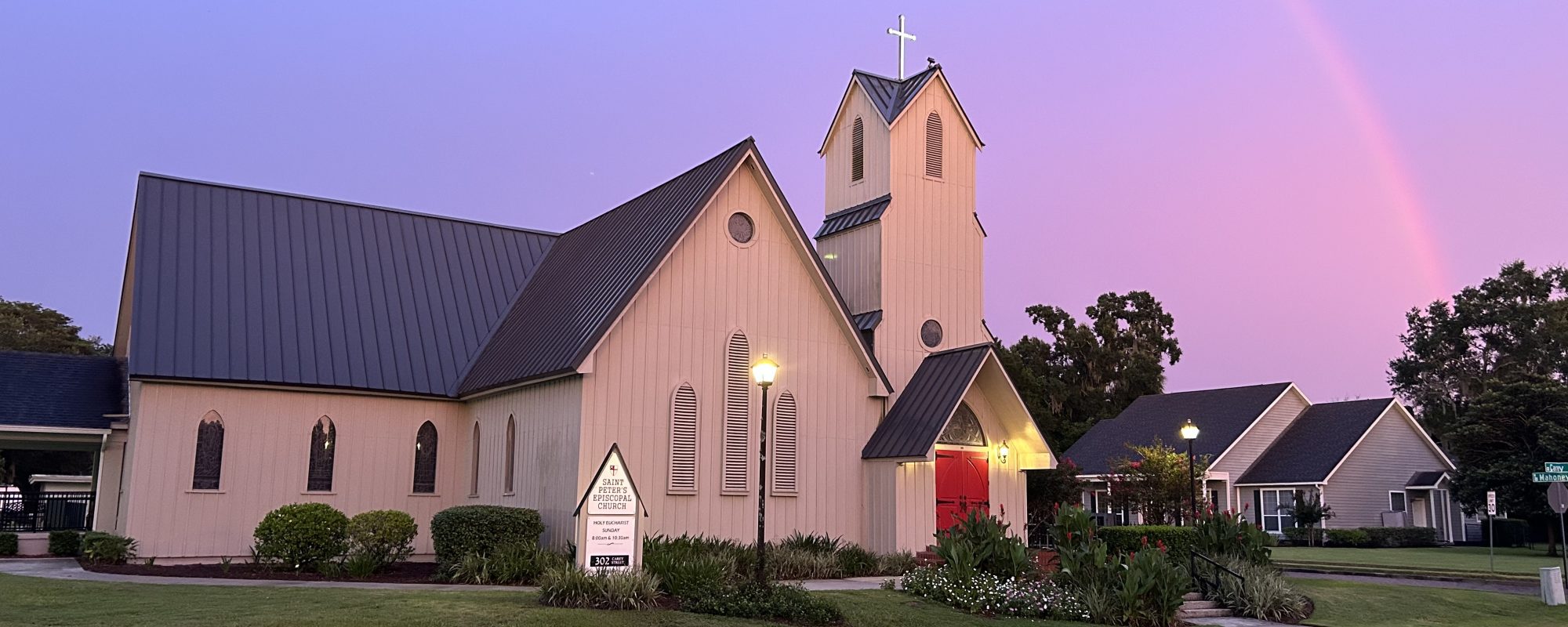
Homily, Worth More Than Many Sparrows
Fourth Sunday after Pentecost, Proper 7A, 2023
Good Shepherd Episcopal Church
Tequesta, FL
The Rev. Derek M Larson, TSSF
Today’s Lectionary Readings:
Genesis 21:8-21
Psalm 86:1-10, 16-17
Romans 6:1b-11
Matthew 10:24-39
In the name of the Father, and of the Son, and of the Holy Spirit. Amen.
As many of you know, this past week some of our youth went on a pilgrimage to Nova Scotia, and it was an incredible trip. We hiked up mountains, we traveled in time with immigrants, we cruised the sea with whales, we danced with highlanders. Nova Scotia is truly a beautiful place, made up of beautiful cultures. The First Nations, the French Acadians, the Scottish highlanders.
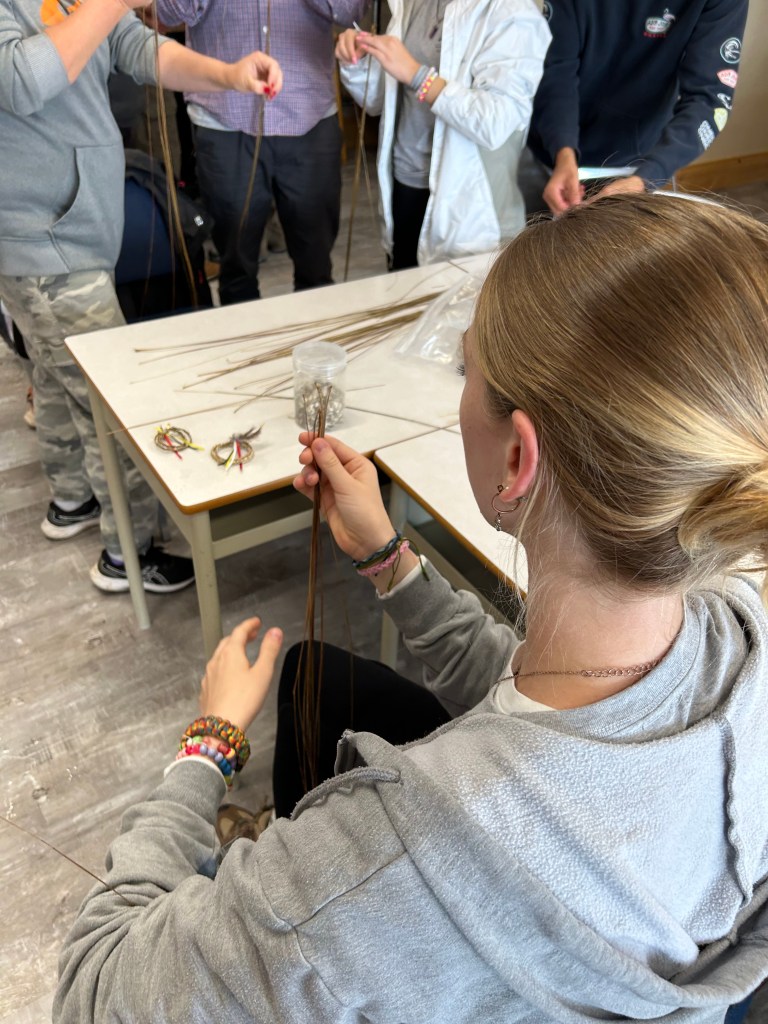
One of the most meaningful moments of the trip was spending time with a Mi’Kmaq community. As we braided sweetgrass together we heard the story of Rosie, whose mother, as a child, was taken from her home by the residential school program. Over the last few years with the recent uncovering of mass graves, more attention has been given to these horrific Indian residential schools that were designed to force the native language and culture out of indigenous communities in order to assimilate them to the west. Like Rosie’s mother, many children were coerced into these programs with threats and false promises, breaking them up from their parents and families. They were often abused, harassed, and put down for their indigenous identity. Those who survived carried with them trauma for the rest of their lives, even passing it on to their children.
Even more horrifying, many of these programs were directly run and supported by churches. They were used as a method of conversion. The Episcopal Church and others— Anglicans, Methodists, Catholics—were involved in these schools.
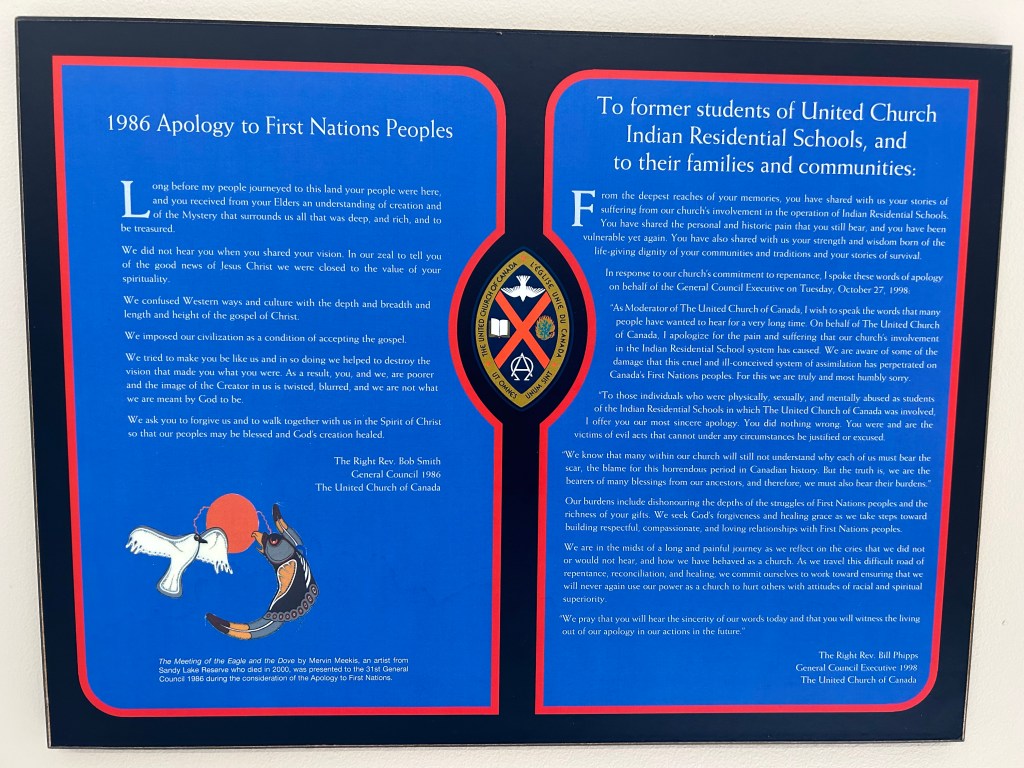
In the community center we visited there is a plaque offered to the Mi’Kmaq by the United Church of Canada which reads, “On behalf of the United Church of Canada, I apologize for the pain and suffering that our church’s involvement in the Indian Residential School system has caused…You did nothing wrong. You were and are the victims of evil acts that cannot under any circumstances be justified or excused.” One small step towards the work of justice and healing that continues.
Unfortunately, we know actions like these are not uncommon in history. The Church has committed violence against many people through the centuries, not only the Indigenous, but Africans, Jews, LGBT folks and many others. And when we read passages of Scripture such as the one we hear from the Gospel of Matthew today, it’s easy to see why.
“I have not come to bring peace, but a sword,” Jesus says. “I have come to set a man against his father, and a daughter against her mother.”
What do we do with a passage like this which seemingly endorses the horrific deeds done against Rosie’s mother?
Well, as with all Scripture, context is everything. We have to remember the context in which Jesus spoke these words and the context in which the audience of Matthew would have heard them. And that context was the experience of a community at the edge of the sword. Jesus here is speaking not to a community with power to exercise violence and coercion over others; he is speaking to a community that is experiencing violence and coercion by others. A community persecuted for their identity and their faith as followers of Jesus Christ. A community that was struggling to survive.
This passage, then, is not about using violence, but experiencing violence. It is not about oppressing others, but being oppressed by others. When Jesus says he comes with a sword he does not come holding the hilt, but with the point pushed against his back. It is not Jesus that separates families from one another, but Jesus’ oppressors. This passage is written for a community at the edge of a sword.
And Jesus wants to speak to them. Jesus wants to offer a word to them, in the midst of their struggle. And the heart of Jesus’ words to them in the passage is this is this: “Do not be afraid; you are of more worth than many sparrows.”
If only that had been the message to Rosie’s mother and the other M’iKmaq children taken from their families, “you are worth more than many sparrows.” If only that had been the message to generations of enslaved Africans across the United States, “you are worth more than many sparrows.” If only that had been the message we conveyed to our LGBTQ children, “you are worth more than many sparrows.”
Too often the ones with power in society appropriate Jesus’ words for their own agenda, but the truth is that Jesus is always on the side of the oppressed. Jesus is always the one living on the margins with those who have been cast from society so that he can bring them this message: Do not be afraid. You are beloved. You are worth more than many sparrows.
And as followers of Jesus, that is the life to which we are called. We are called to share that message. We are called to identify those in our society at the edge of the sword so that we can share with them that message. That despite the injustices in the world all around them, they have worth. They are important. They are loved.
For Rosie, our new friend in Nova Scotia, she identified that community as those differently-abled among her people. Those with mental and other disabilities. She has worked to provide them a home and resources so that they can thrive and know their worth. And it was a privilege for us to glimpse the beauty of what she and others are doing there.
So who are they for us? Who are those in our community living at the edge of a sword? Are they the homeless in Riviera Beach? Are they immigrants looking for work? Are they low-income families experiencing food insecurity?
And how is Good Shepherd embodying Jesus’ message to them? Where are we already doing this work? Where are we missing important opportunities? How will Good Shepherd continue to live into its call in the future to be a beacon of faith, hope, and love to those hurting in the world around us?
These are the questions that should always be at the forefront of our community. Jesus comes not to bring peace, but a sword, because Jesus is always with those at the edge of the sword, and so should we. Amen.
 Thoughts on Faith